A- … Thank you

Whilst waiting for my second bag of precious A-, it became clear that I may be stuck in hospital for a few days and not just hours. The mind struggles to keep up with the unfolding events and information, buzzing from one extreme to the other. To feel alone, yet surrounded, tired, but horribly awake, like you’re in danger, yet in safe hands. These are just some of the conundrums that ruminate through the mind.

A- 1A- 3A- 6

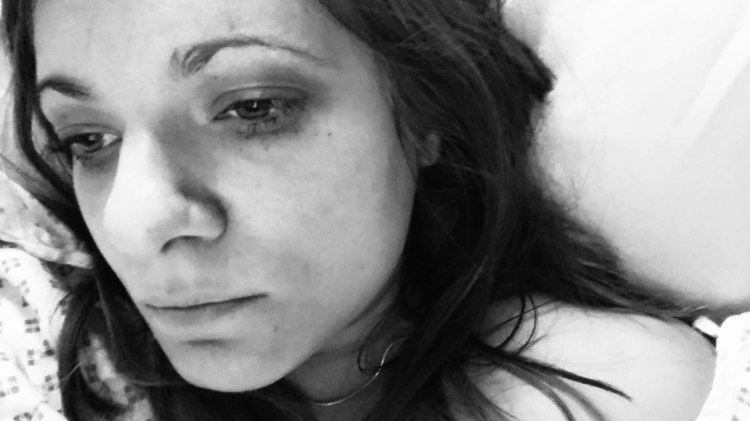
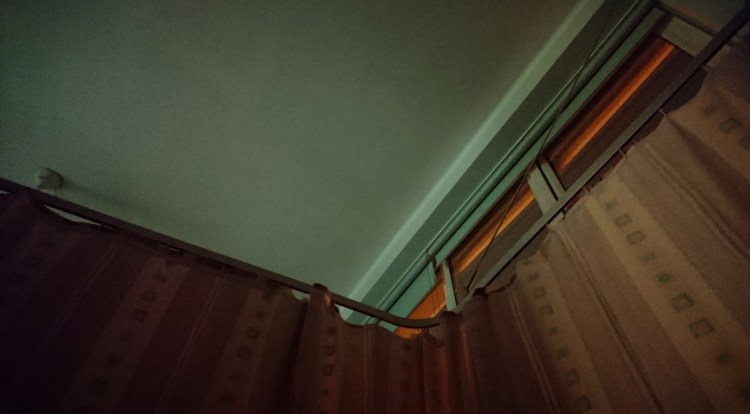
With concern of infection my second transfusion was extra slow continuing through the night, sleep was not an option. It was in these sleep deprived hours that I decided to document my surroundings using my mobile phone. Hospital life is something I’ve been lucky enough not to experience prior to January.

A- 5A- 9A- 11A- 4A-

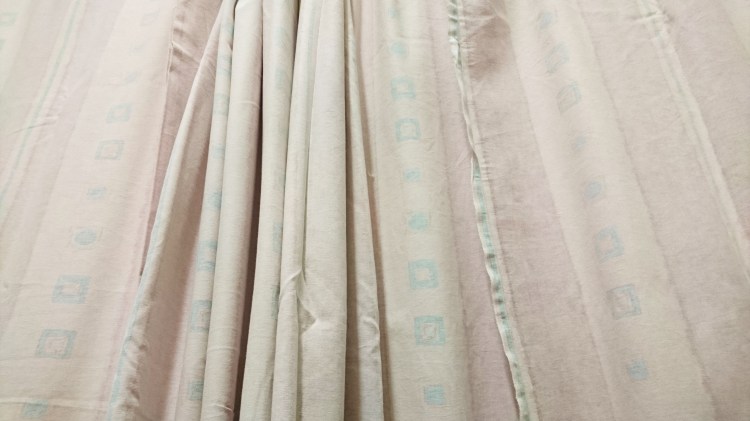
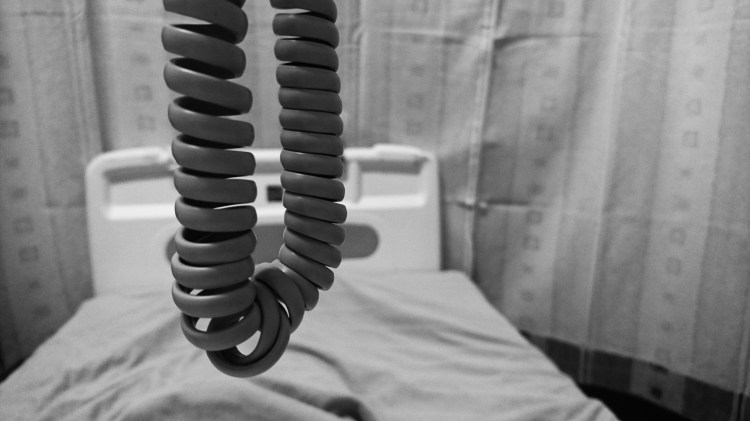
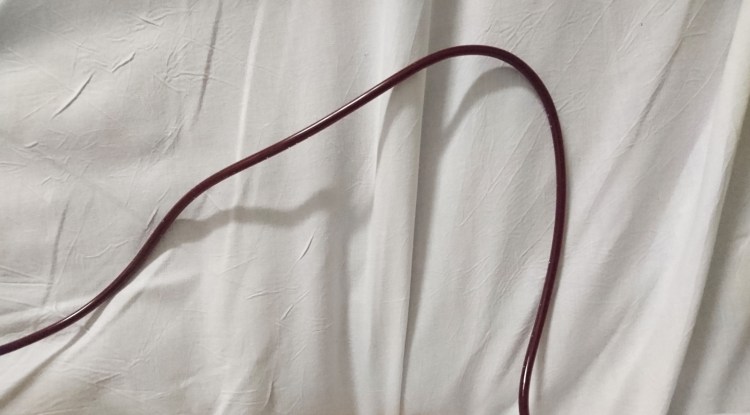
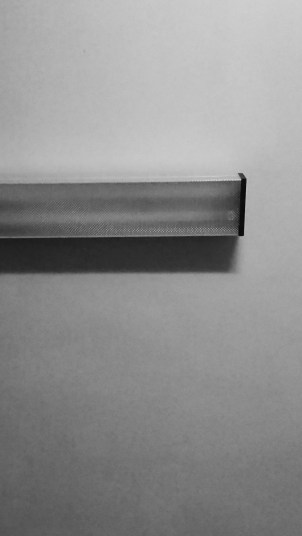
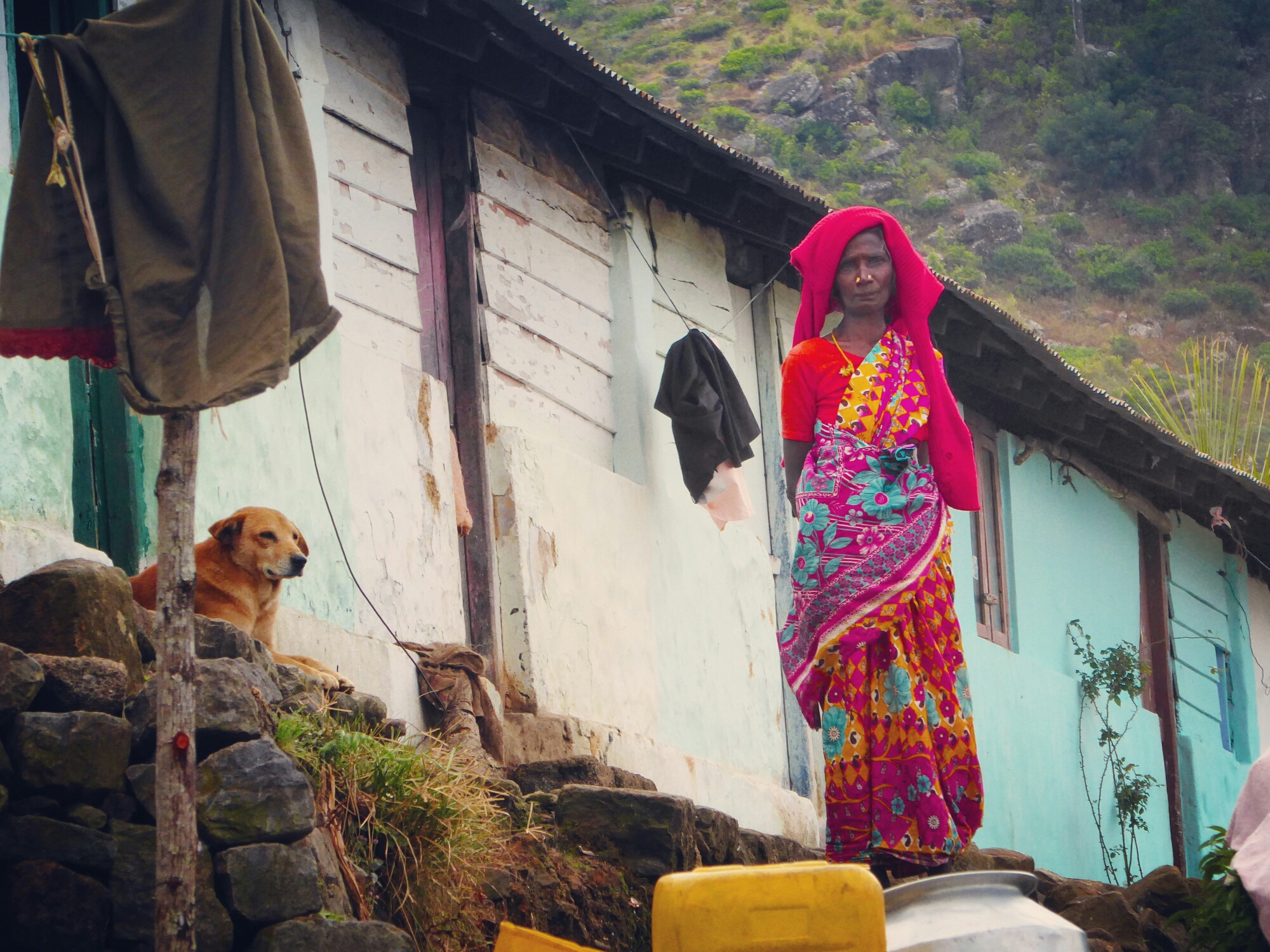
I captured all I could see within my cubical from my bed. As I began photographing in my lonely wired state, I became aware of certain items, logos, textures and patterns that are iconic of the NHS. I found that it was these iconic and stereotypical hospital views that provoked conflicting feelings. The connotations of my surroundings were changing through the night. Things I once perceived to be clinical and cold, I began to seek comfort in. The crease within my textured blankets, the shadow of the patterned cubicle curtain, both harsh in the florescent light, yet creating protection and privacy. The contrast of A- in the intravenous cable against the white sheets, both filling me with angst yet relief.

A- 10A-7A- 2

My stay lasted five days, my longest yet. I had never thought too much about hospitals, medical equipment, doctors/nurses or donations of organs or blood before. Yet it was all there when I needed it. However ill, tired or scared I felt, I knew I was lucky to have such access to healthcare. I am grateful for the NHS, regardless of its niggles and I am grateful to my A- donator, whoever you are. Thank you.

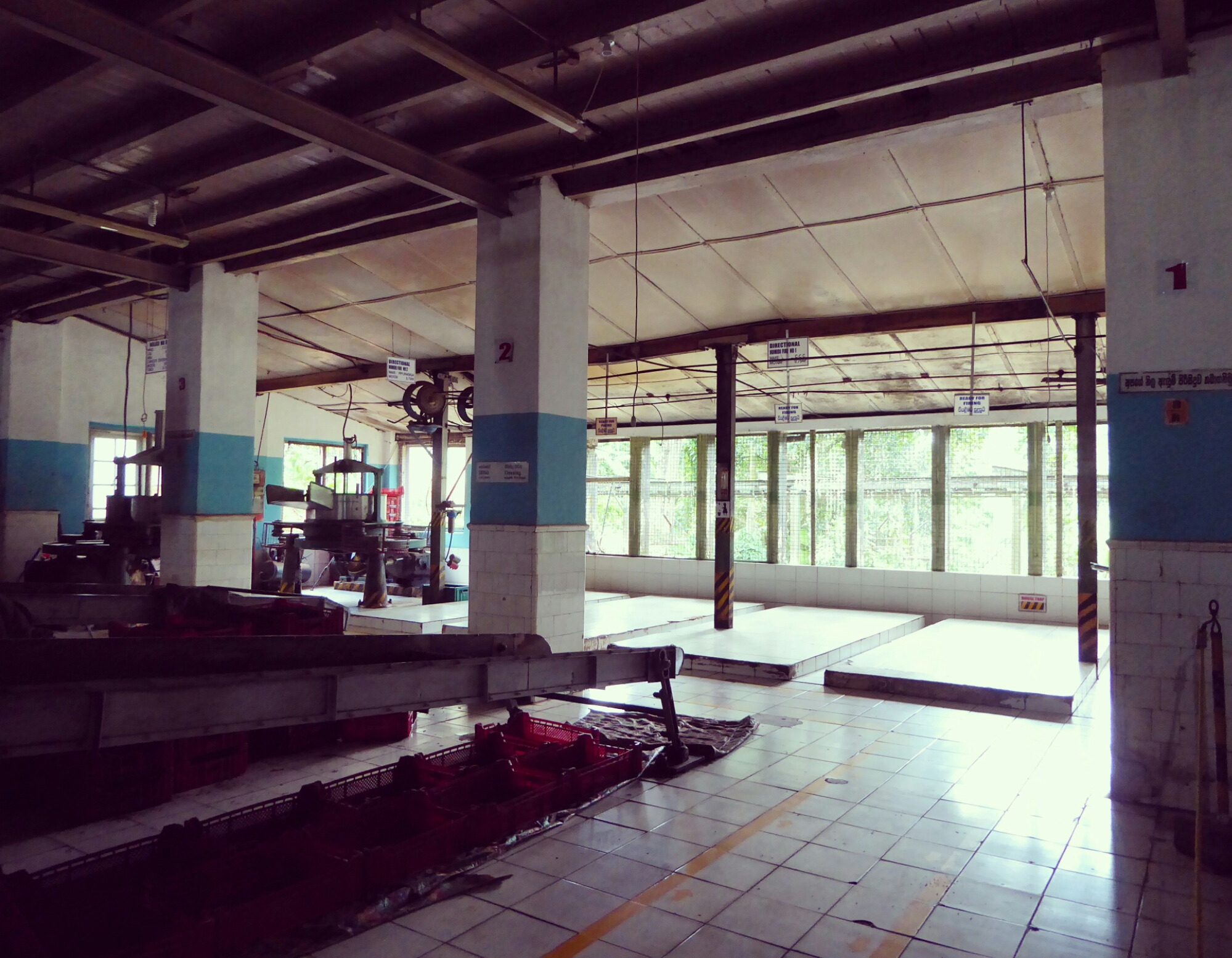
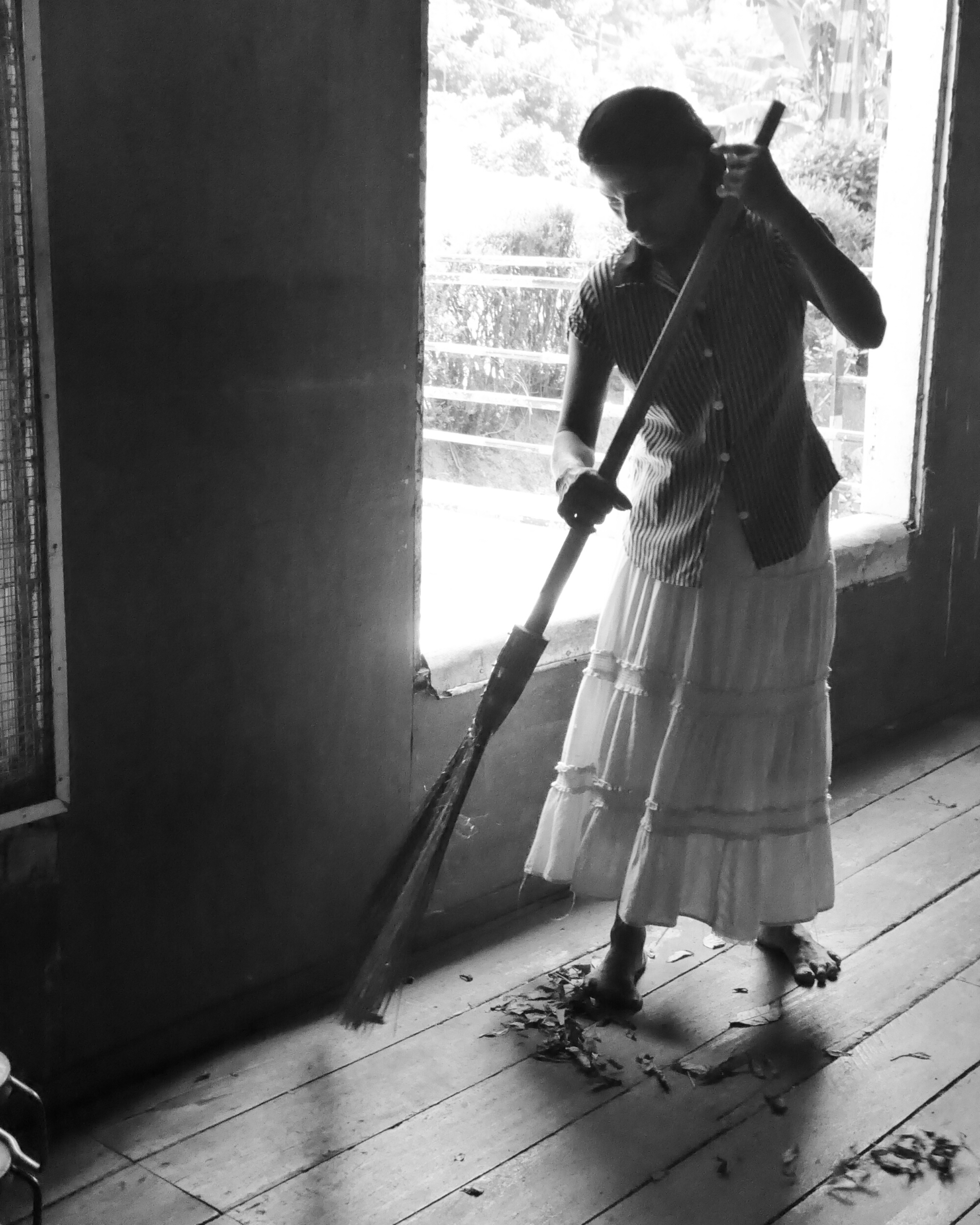
Kandy Tea Factory

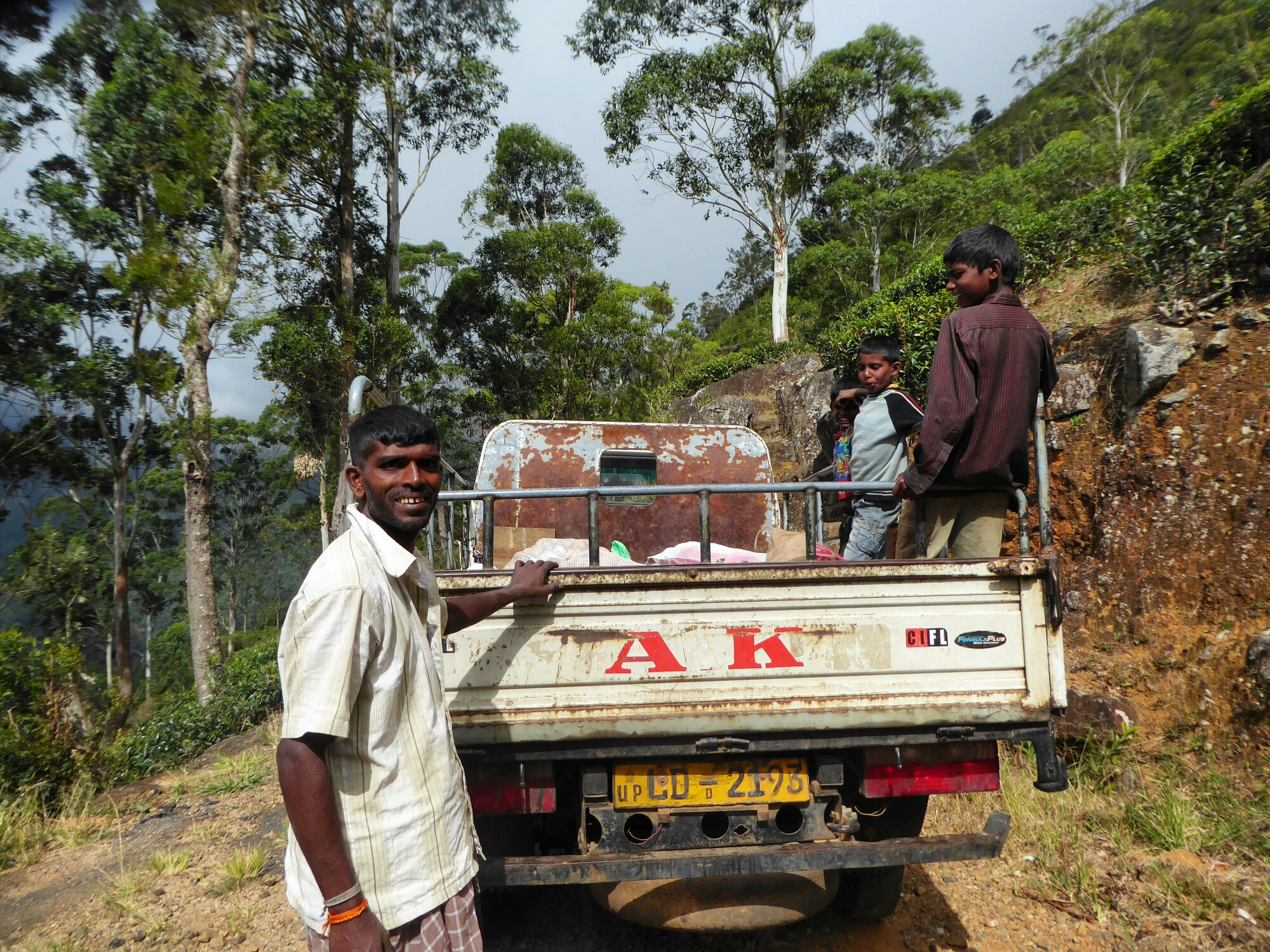
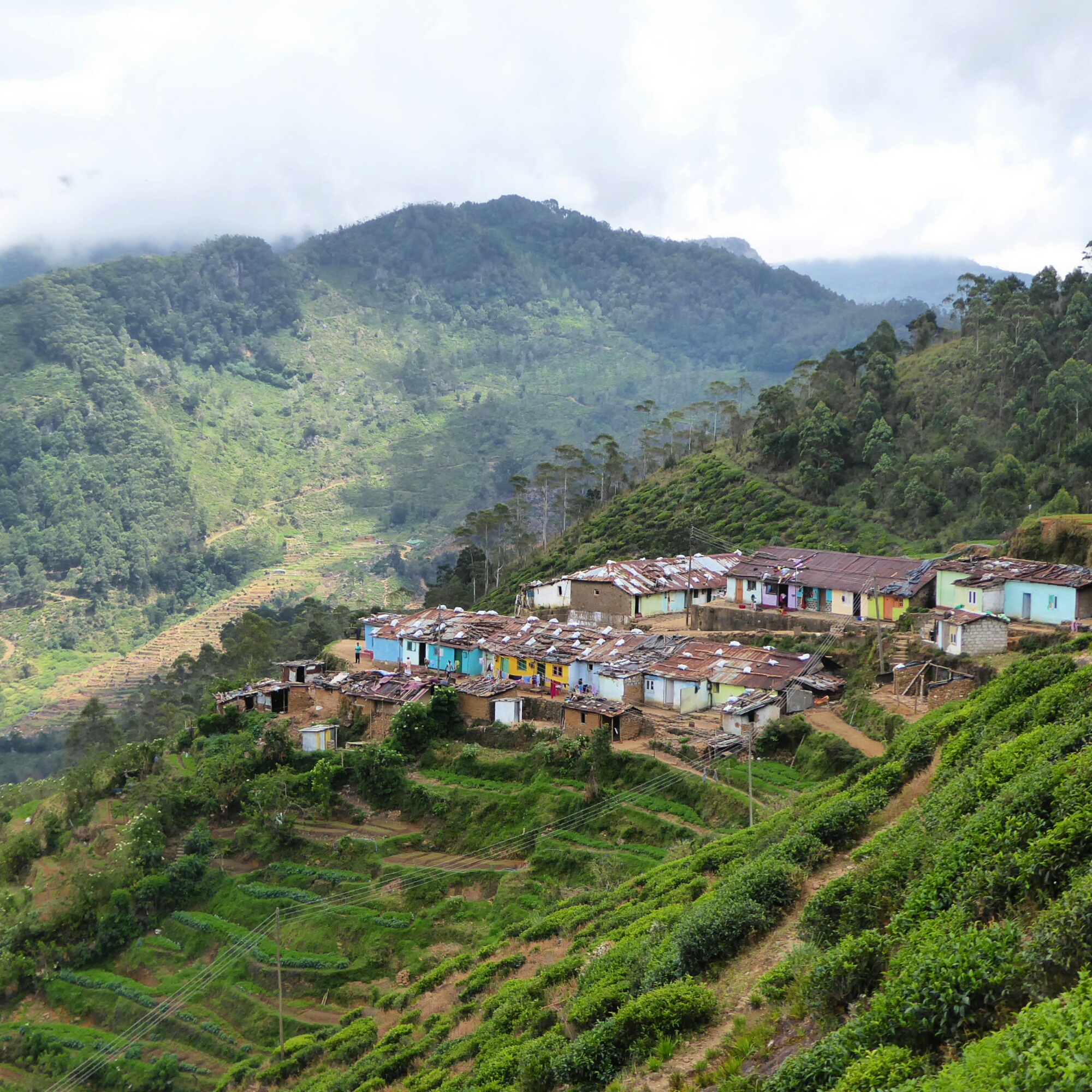
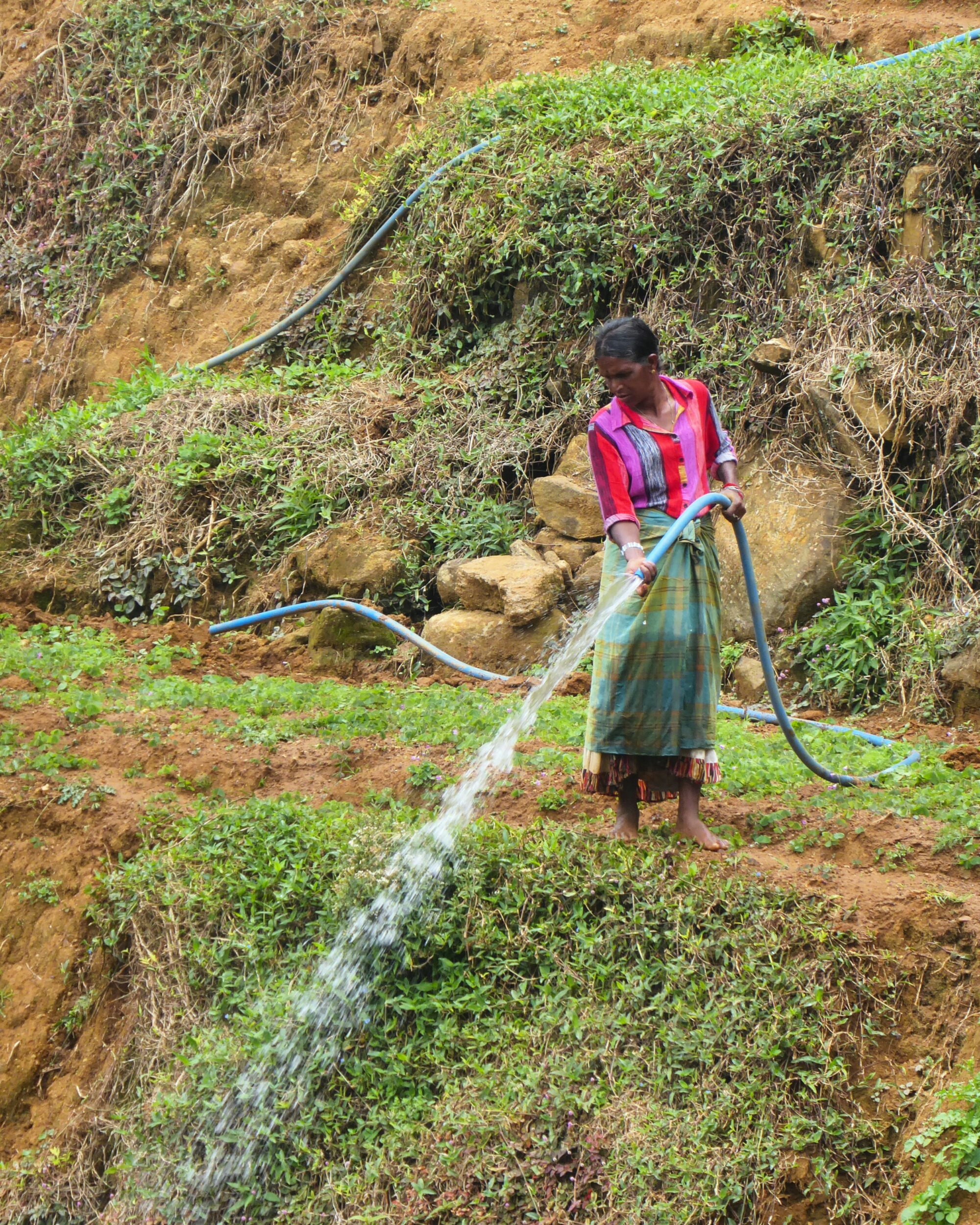
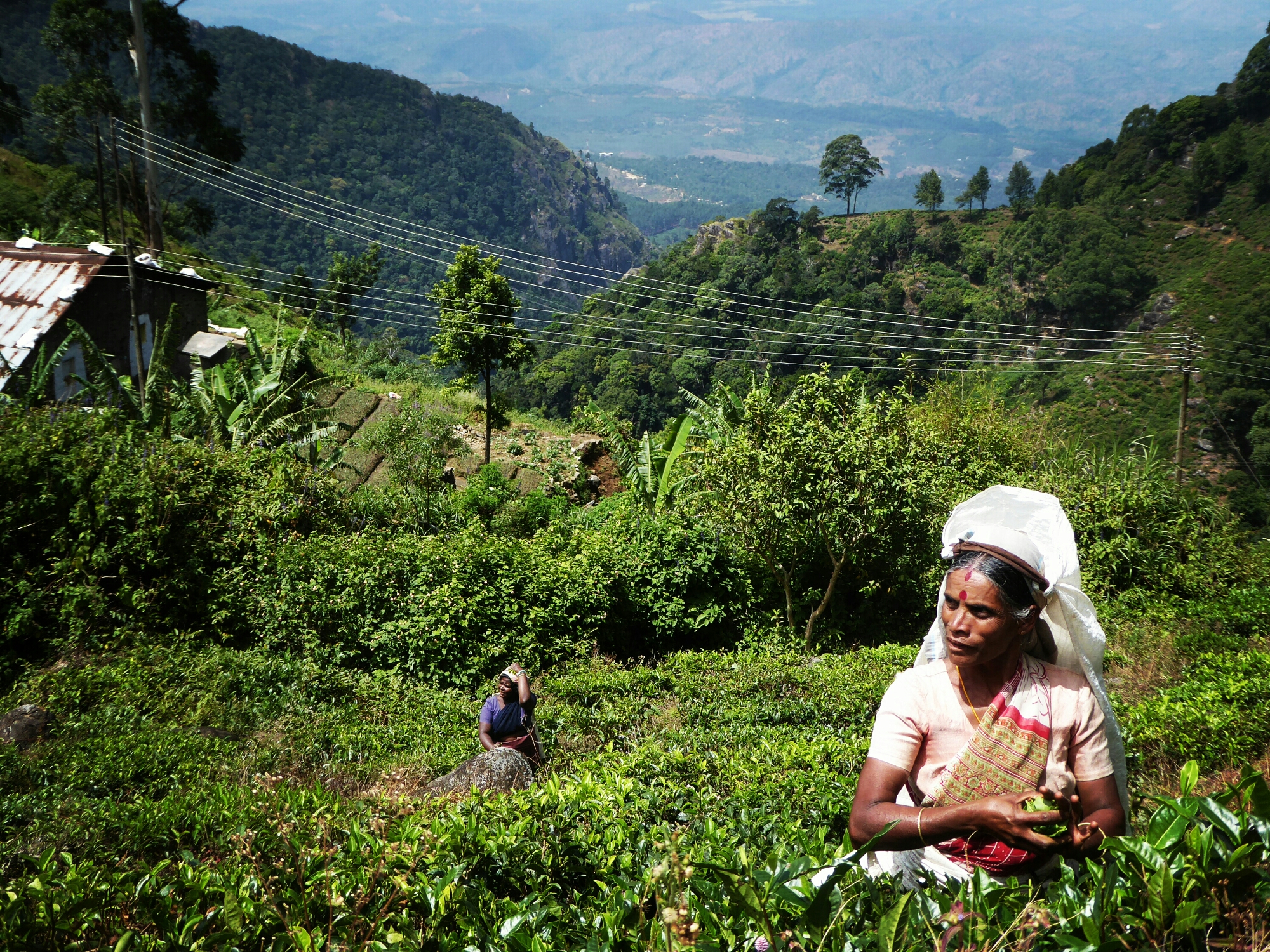
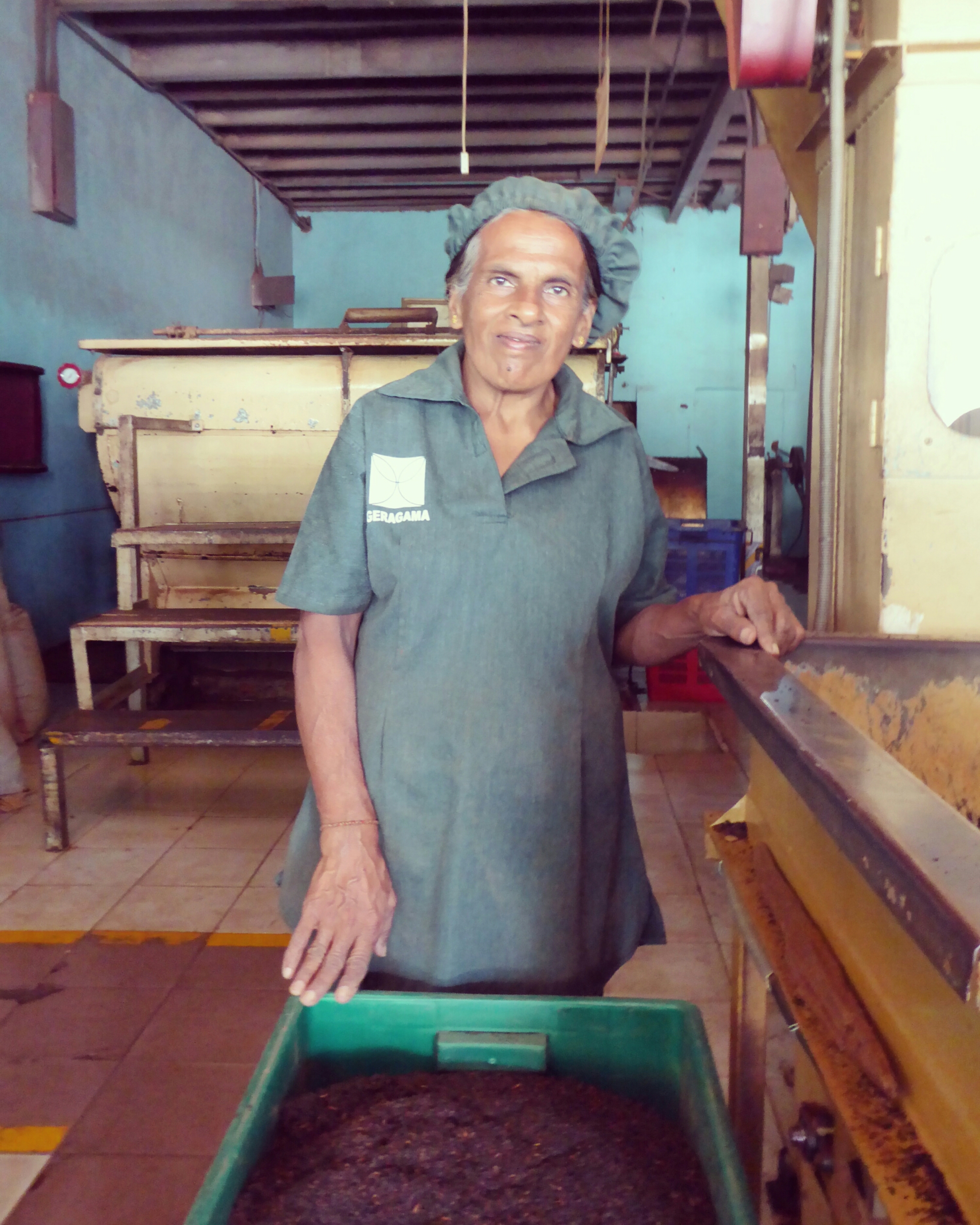
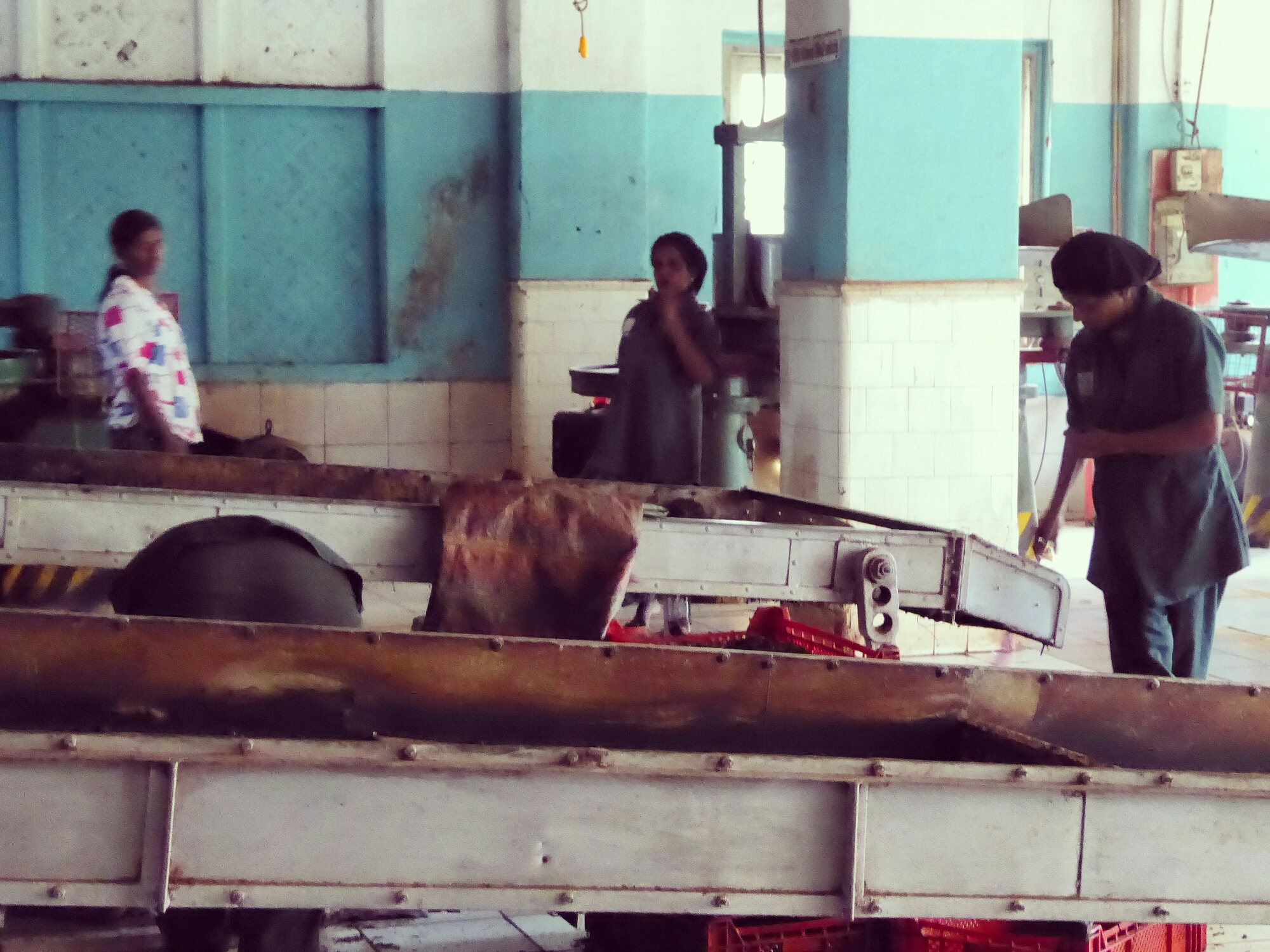
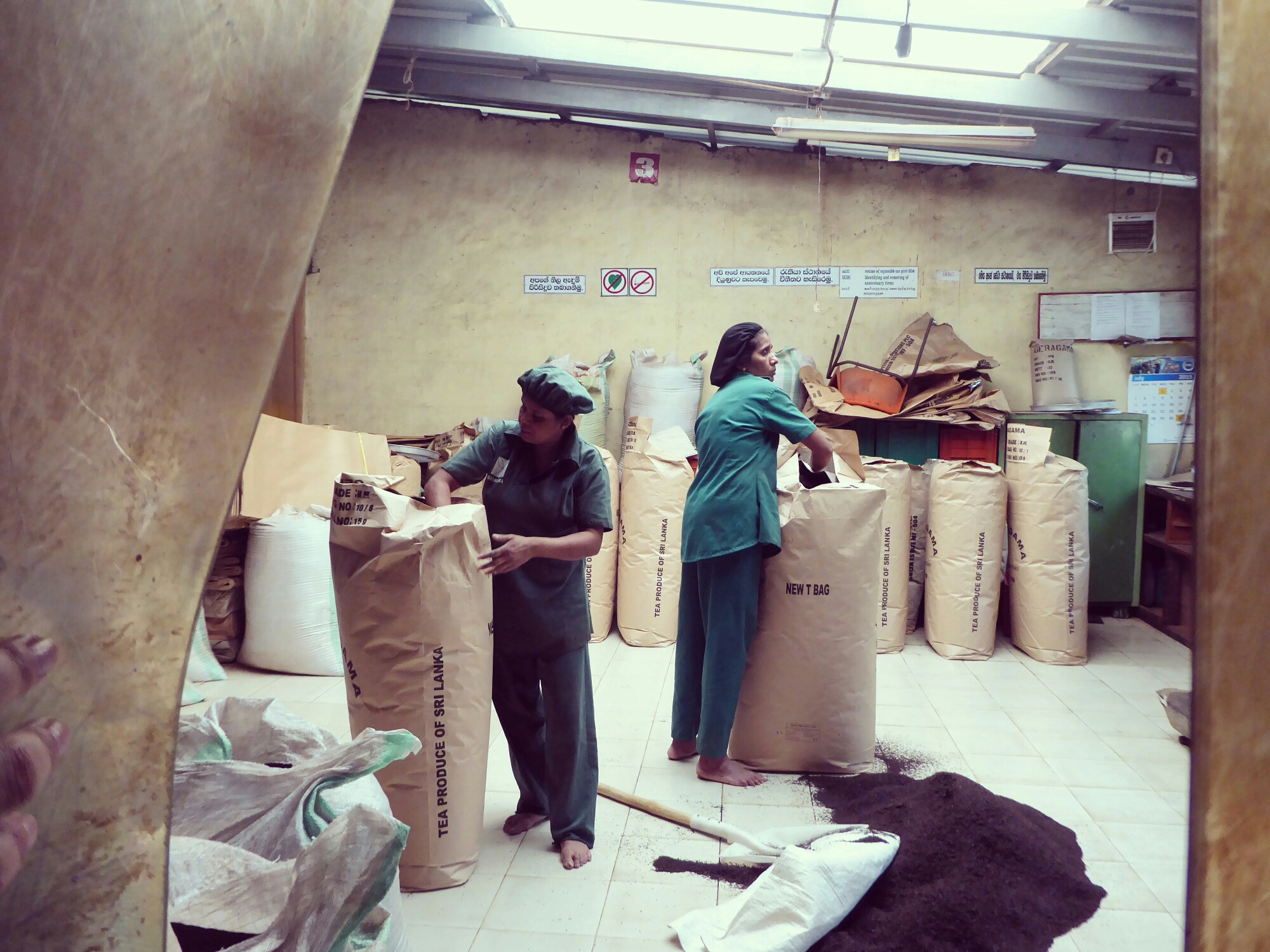
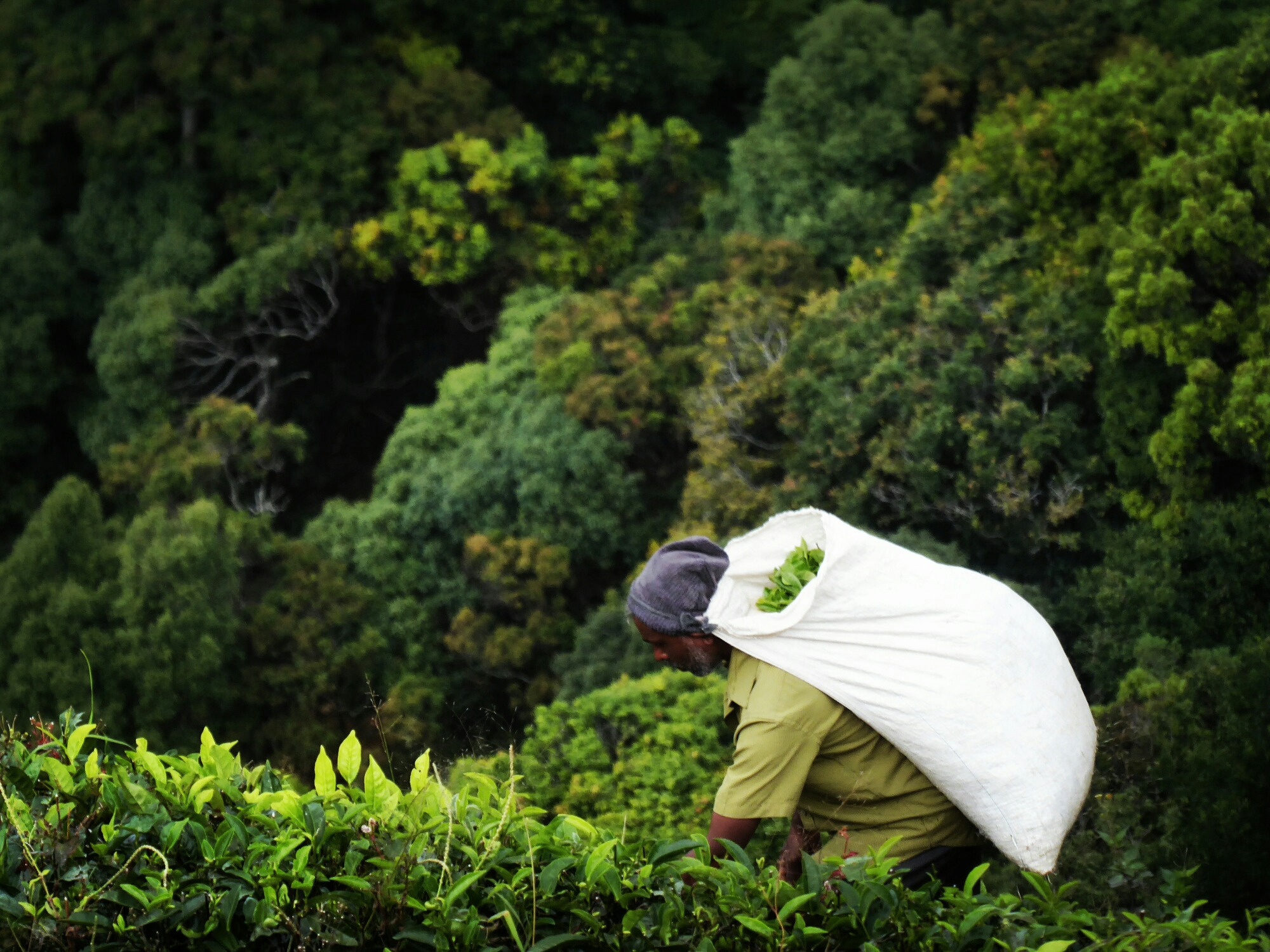
The Hill Country in Sri Lanka is dotted with many tea plantations. I visited a plantation situated just outside of Kandy. Over 1 million people are employed by tea plantations in Sri Lanka and it provides one of the main financial incomes for the country. The terrain and climate is perfect for this production and it has been in fruition since 1867. James Taylor, a planter came to Sri Lanka from Britain in 1852 and introduced the industry. It is hard work, but brings a regular and reliable income to local families. The trade is passed down through families and comes with specific benefits that keeps the generations returning.

image

image

image

image

image

image

image

image

image

image

image

image

image

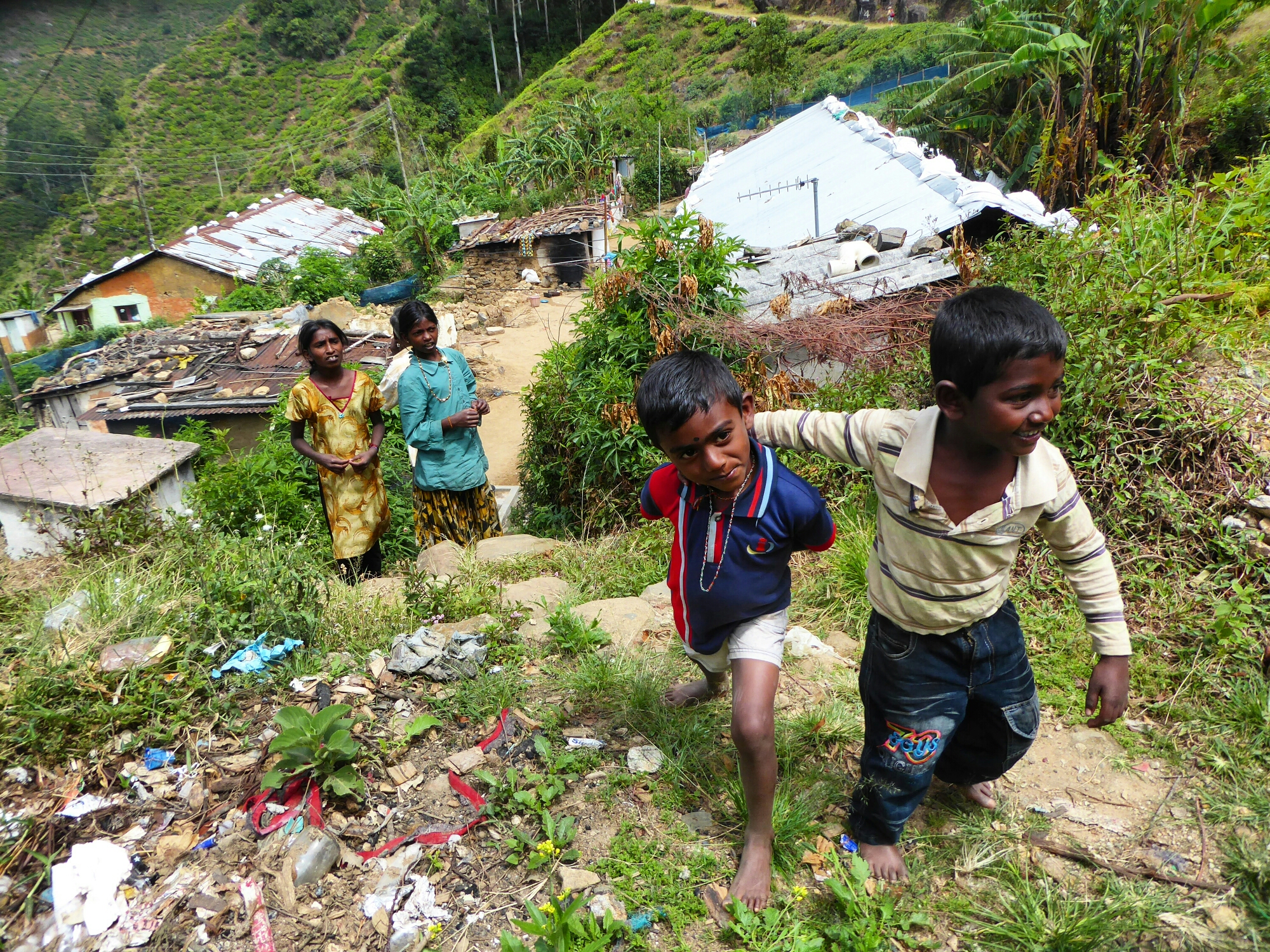
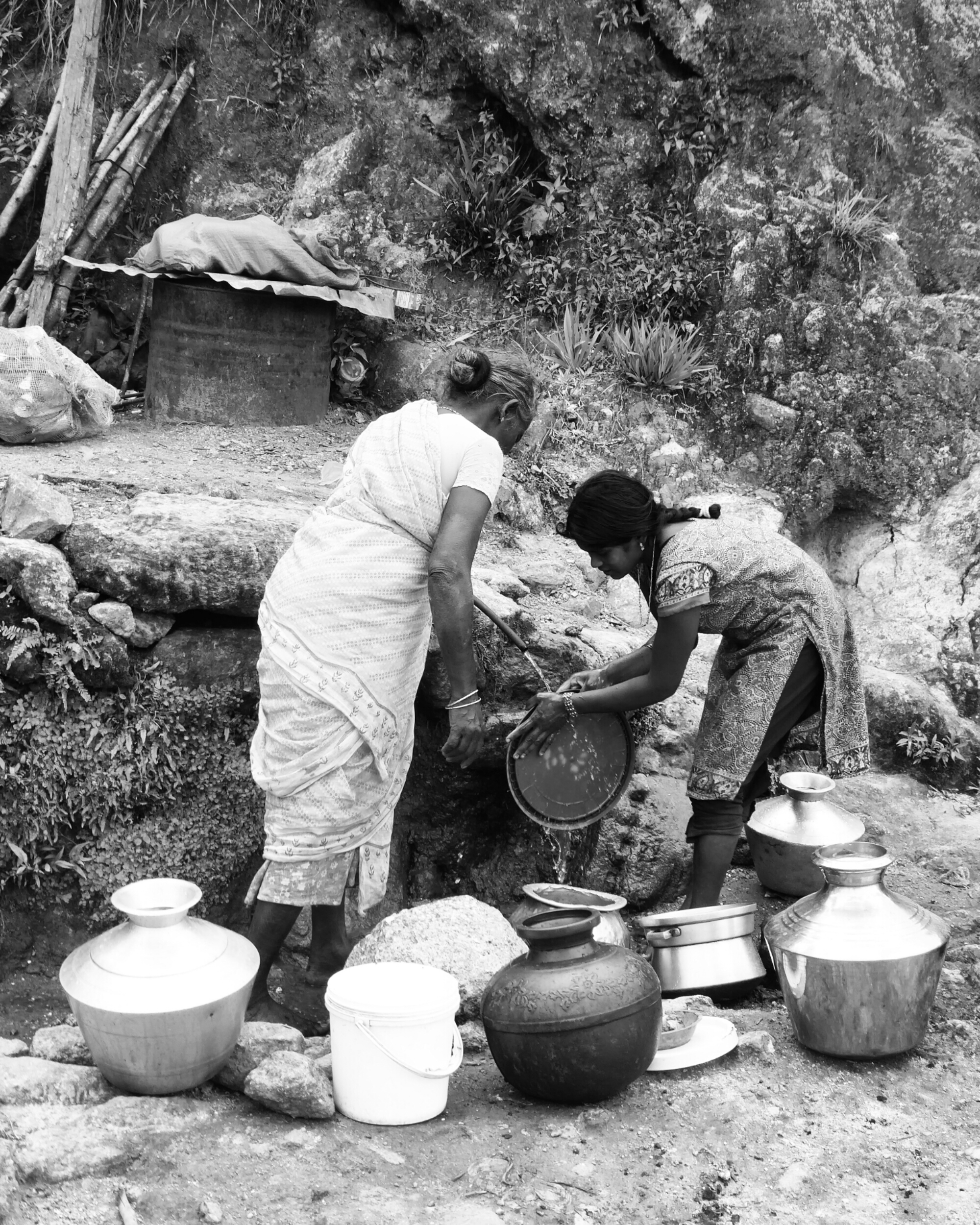
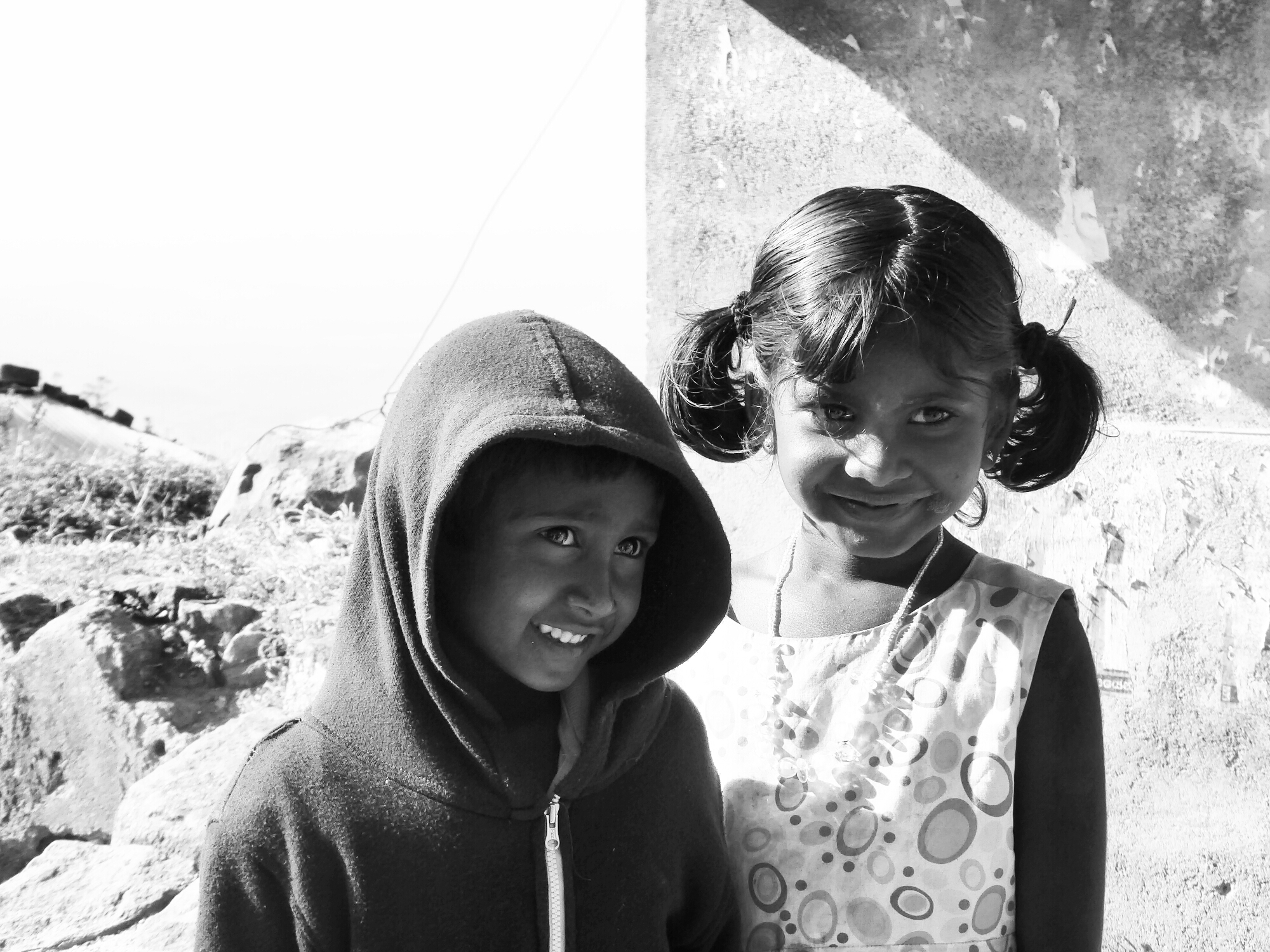
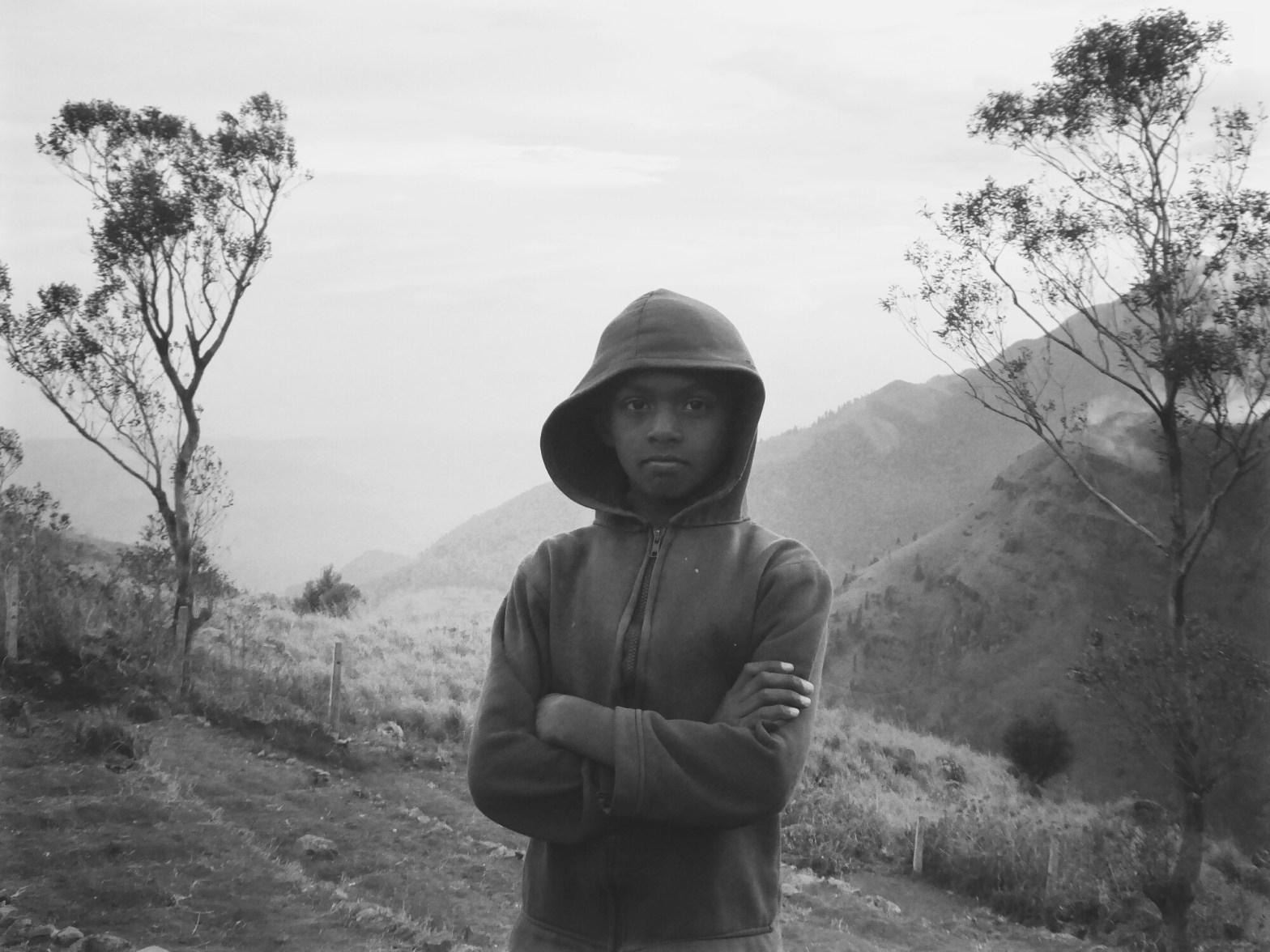
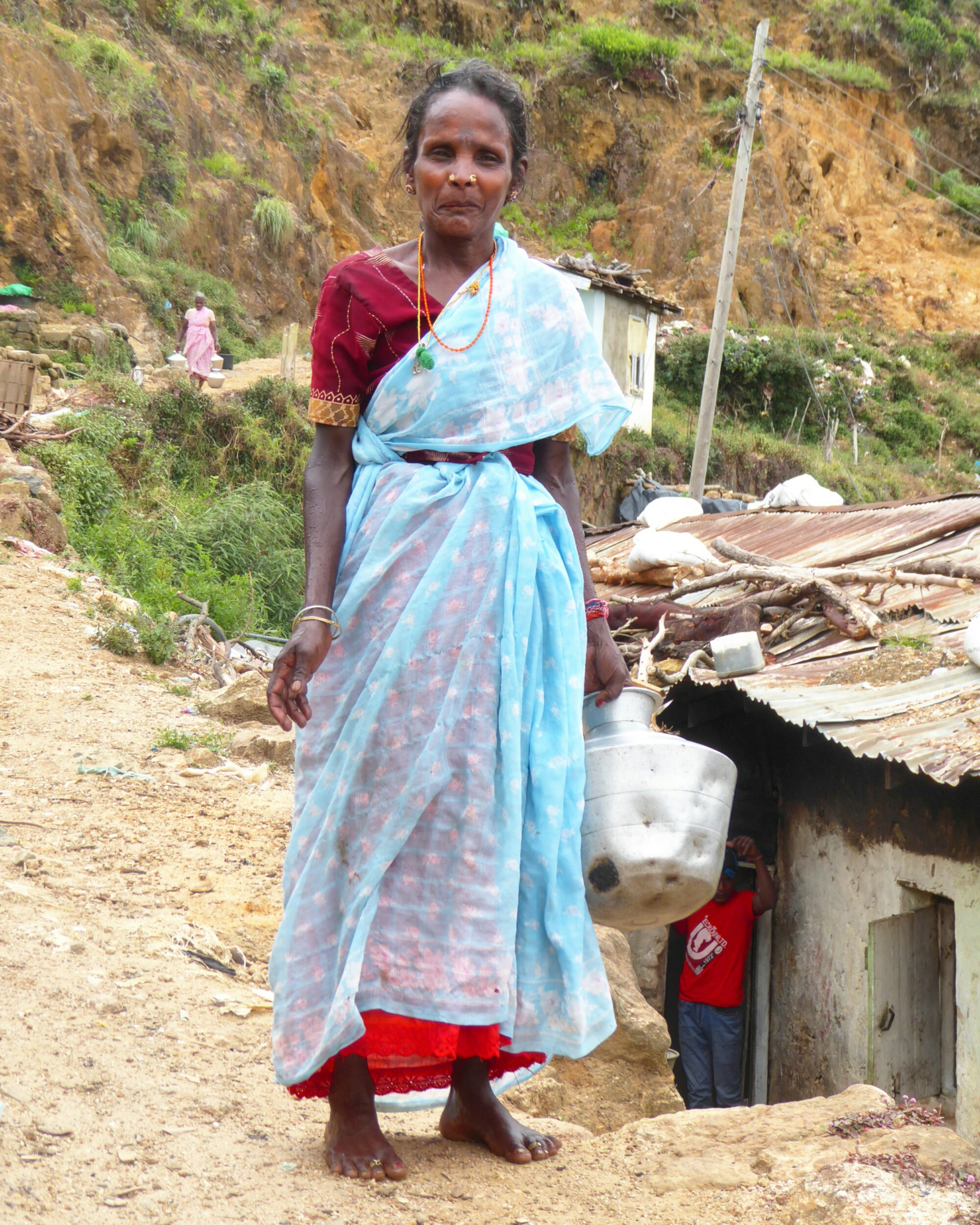
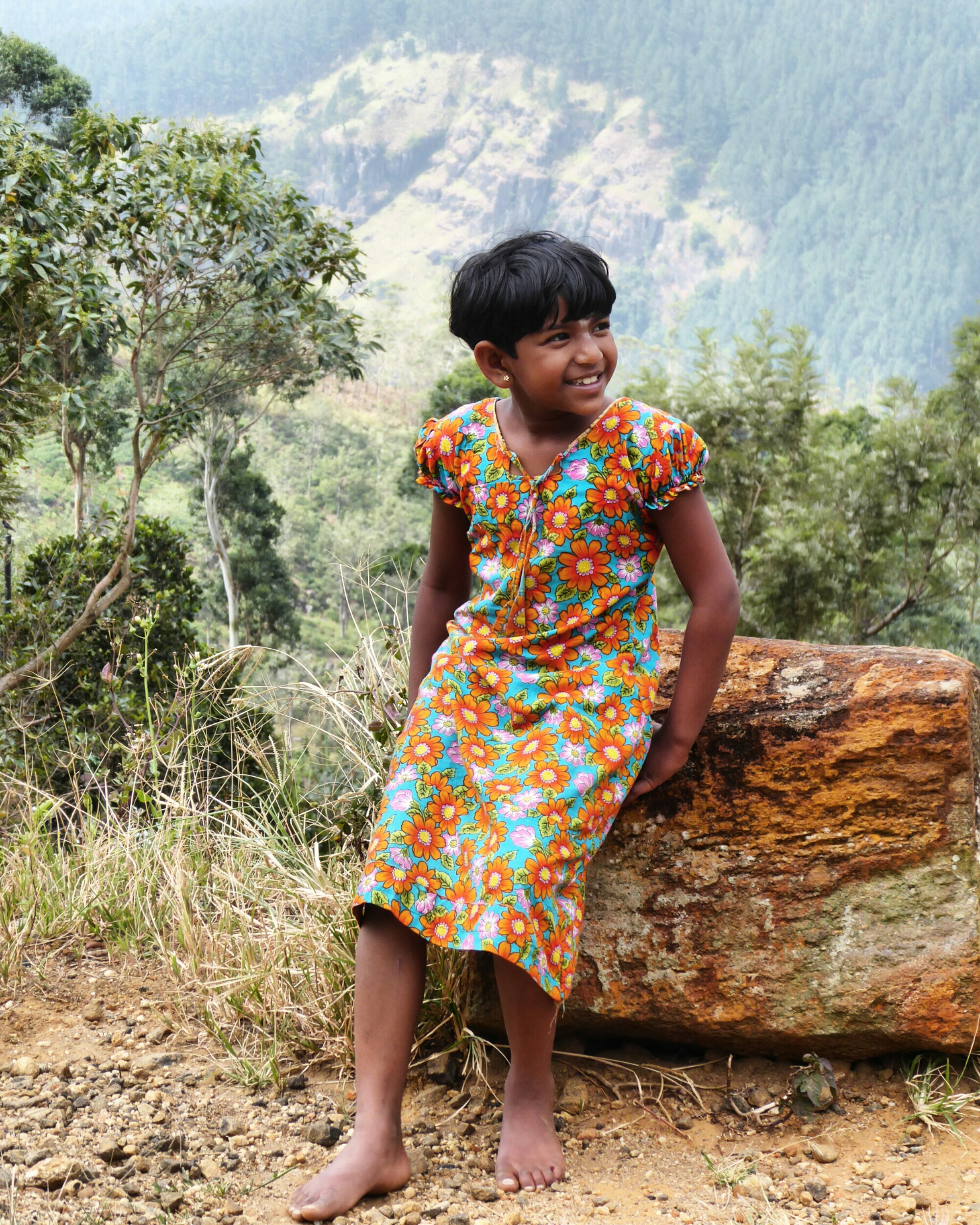
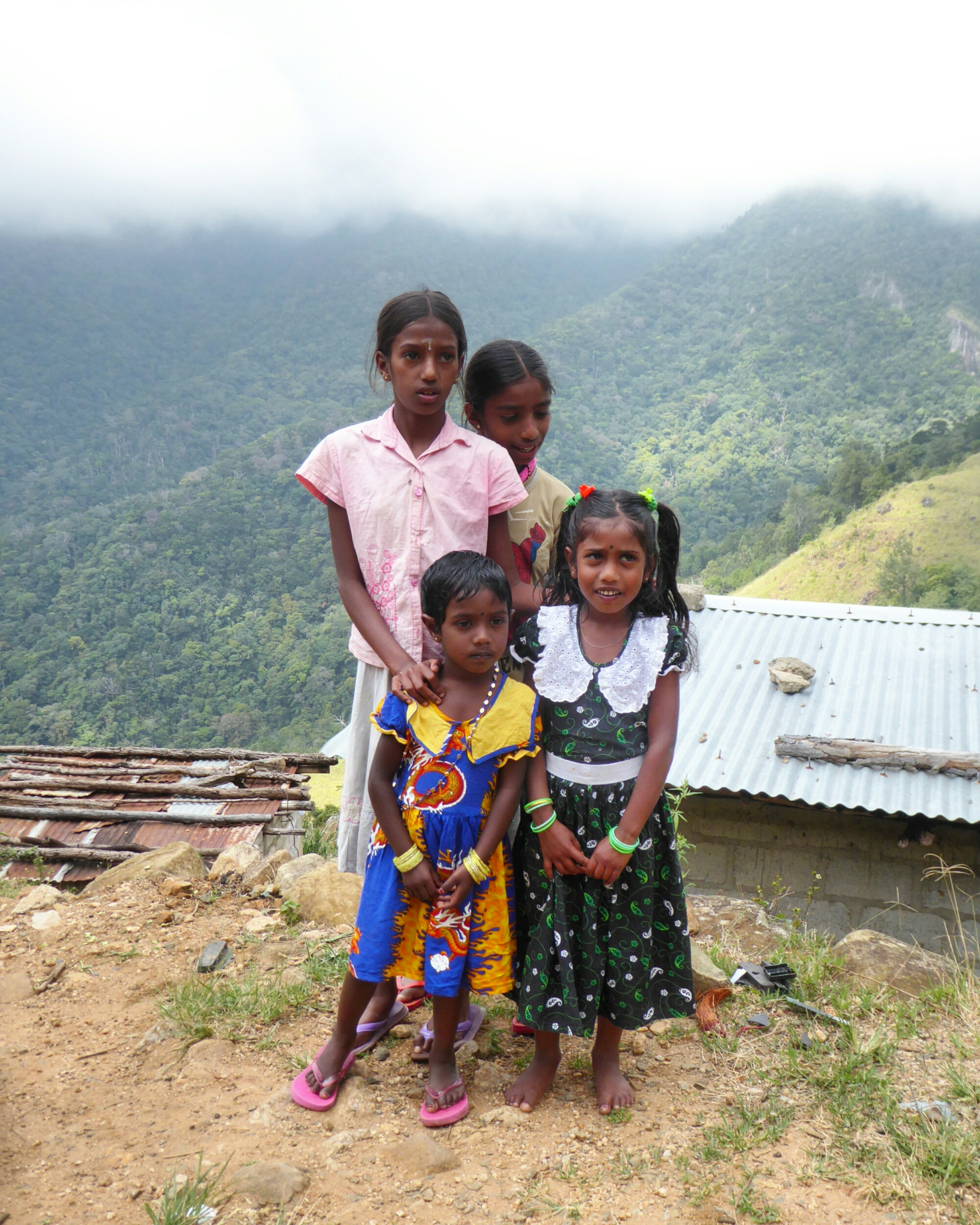
Portraits from Sri Lankan hill villages

image

image

image

image

image

image

image

image

An Introduction to Participatory Photography

A date thats been firmly in my diary and much anticipated since Christmas is the 2/2/2010. I attended a workshop held by the charity  Photovoice that aimed to educate on what participatory photography is? how it can be used and  the roles of the facilitator in side and out side of the workshop?

 Im really interested in the idea of holding photographic workshops my self, and this course raised some pretty important questions and topics, that need to be understood before being able to produce and carry out a work shop that will benefit those attending.

Participation is involvement by local population and additional stake holders in the creation, content and conduct of a programme or policy designed to change lives. Built on a belief that citizens can be trusted to shape their own future, participatory development uses local decision making and capacities to steer and define the nature of an intervention. (photovoice)

However it is not participation if  the population is manipulated into conforming to a preconceived idea, or  the purpose is to persuade the participants that the programme they are taking part in is great even though they have had no real input to the outcome. There is a fine line between participation and manipulation and it shouldn’t be crossed.I realized there is an art to facilitation, it really requires someone to 

  • take a back seat and observe closely 
  • know when to speed things up/slow things down
  • provide an objective eye
  • encourage new ideas
  • keep the group focused
  • provide  both sides
  • ensure everyone understands
  • repeat learning points

I could go on with the list, but it seems there is a lot to fit into the role with out giving too much direction. I had a brief go at facilitation at the end of the day  during an intense 10 min assignment, and although it was a challenge, I really enjoyed watching the journey of the out come and felt quite happy with the result. At times though you can see through an editorial eye what images work best with each other, but you have to bite your tongue, and provoke questioning to ensure they can see  and understand what they are doing without telling them what you think it should be. This kind of work can build confidence whilst being creative and fun, and developing both learning and social skills. It can also  build community and dialogue, raise awareness and create media coverage.

However, this form of work can also be criticized in many ways. Here are some quotes that have got me thinking about how we could and maybe should be trying to push the boundaries of participatory photography..

…the ‘charitable’ gift of photography to impoverished children often may be found to serve donors more than recipients. (Julia Ballerini)

I have often seen images from these projects that undercut the good intentions of the projects initiators by falling back into the old stereotypes and power dynamics that the collaborative process intends to avoid.(Foto8blog,2008)

This quote immediately brings into question in my mind the idea of a ‘stereotype’. Who stereotypes who?how? and are we just trying to re-brand people in a different way?a way that feels sociably acceptable? maybe  that sits better with our conscience? I  think  that western culture stereotypes much more easily through the media, and I guess that a photography  workshop could swing either way depending on the point of change that community is currently in. 

I am intrigued by the concept and aims of participatory photography, although there are many questions to ask and answers I  need to know, I feel Im on a good foundation to begin exploring the subject. I feel these questions have probably been babbling facilitators minds for a while now, and in an ideal world I would like to help come up with some solutions to narrow the possibilities of any negative impact.
    Sights Unseen: Sensory Photography by blind and visually impaired people

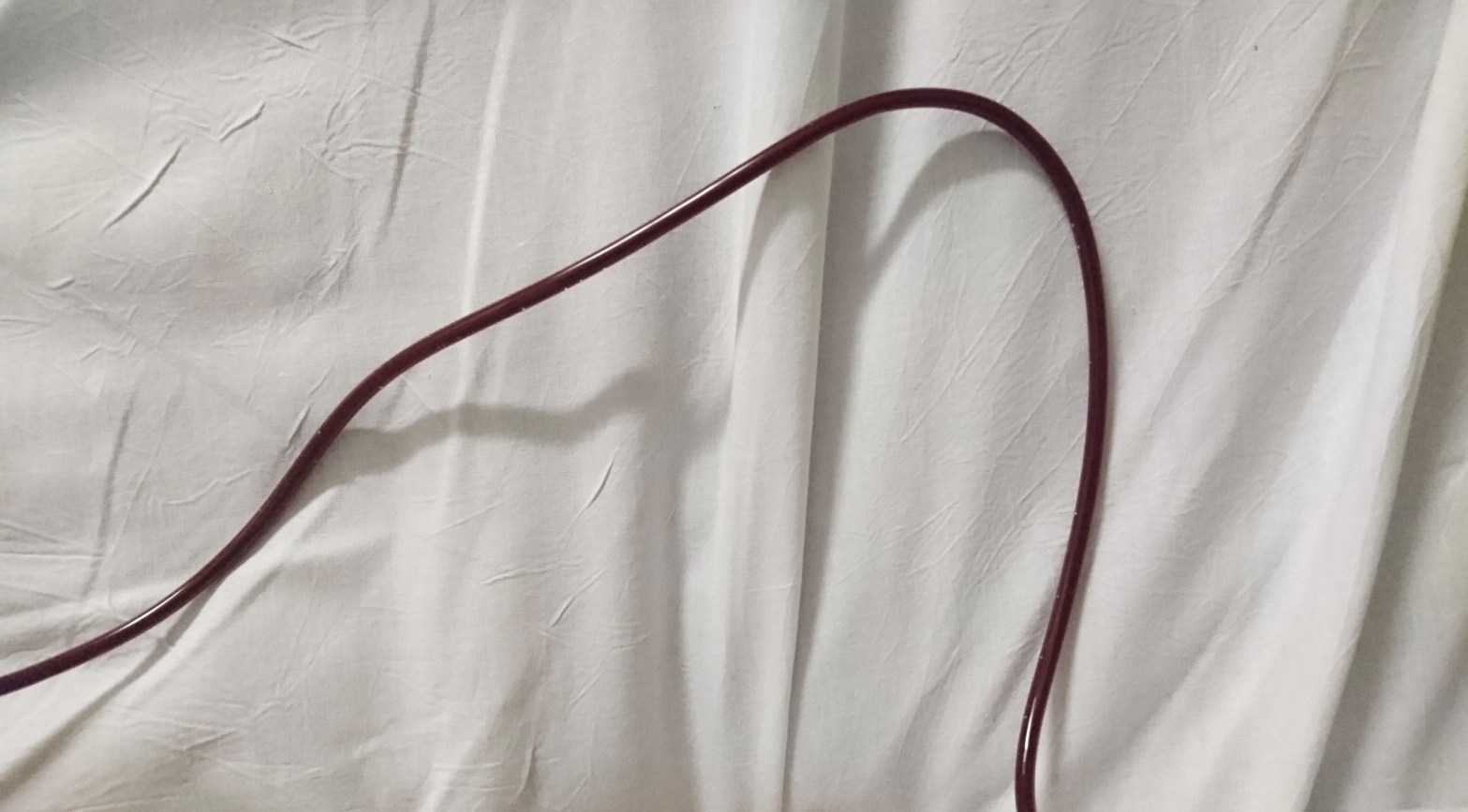
    I came across Photovoice three months ago through a friend and have been fascinated by the charity and its projects ever since. The most recent exhibition held at the AOP was inspirational – ‘Sights Unseen: Sensory photography’ by blind and visually impaired people.  This project took place within communities in UK, China and Mexico, using various photographic techniques to enable comfort and confidence with the camera, resulting in a form of expression that may otherwise have been untouched. Not being visually impaired myself or having any experience with a visually impaired person, I didn’t quite get it at first glance. However I slowly began to realize that was in fact the beauty of it, there was another visual language taking place.

    Through instinct I look at a gallery of images and scrutinize the aspects of composition, light, colour and context, when really I know that there is no such thing as ‘the perfect image’, and is it that important anyway? In many cases when a sighted person takes an image we almost skim the surface of what’s actually there. A visually impaired person will really feel what they’re doing and the environment they’re in. I feel that by not seeing it  adds a whole new dimention and depth to a photograph.

    One of the participants was fascinated by corners and the joints of different surfaces beneath him. This is something I wouldn’t even notice whilst going about my routine, but for him he could walk a route once and if he returned he would know exactly where he was going through the feel of different ‘landmarks’ in the pavement. His project was therefore based around his enthusiasm for these elements. I think this is fantastic, as he has   communicated his experience of being sightless through a visual medium, breaking all boundaries. I gather this project its about letting people know it is possible, from both sides of the spectrum.
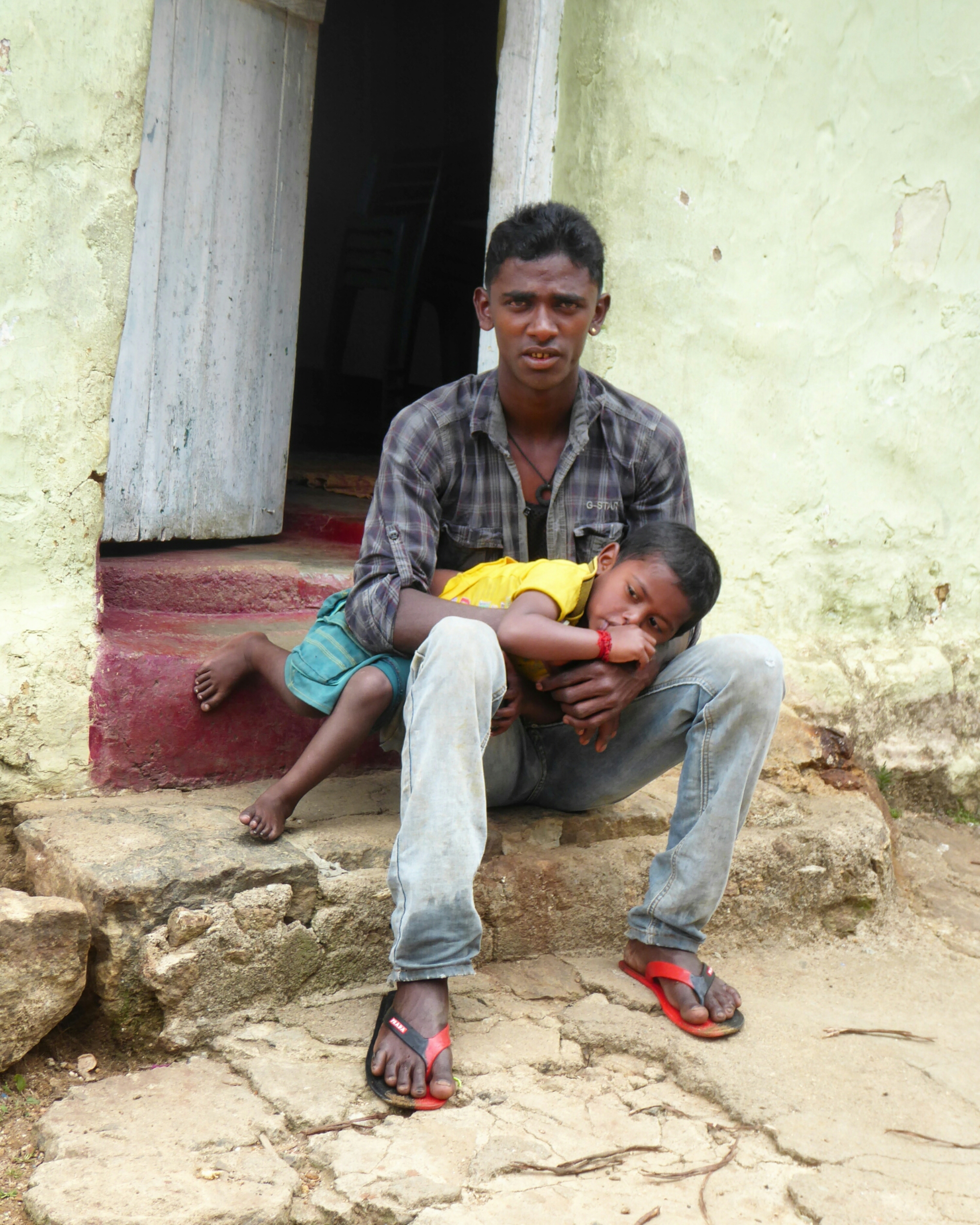
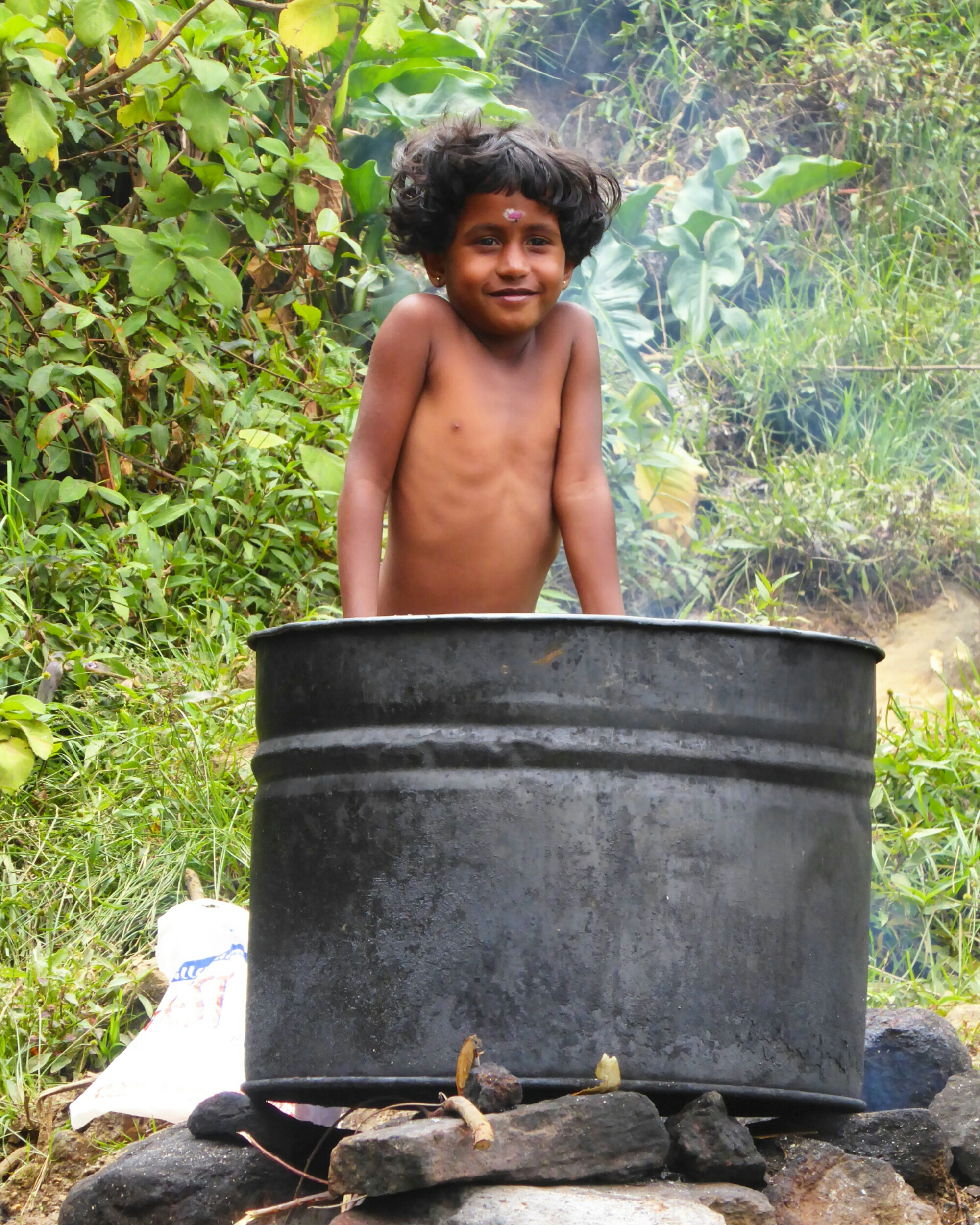
    “being able to free yourself from expectation makes the difference between an average shot and an amazing shot”

    Each visually impaired or blind person can see different amounts of the world and in different forms, in a less extreme way this is also true of sighted people. What I might describe as blue could be green  to you? whether we have good vision or not we all see and understand the world differently, we are unique. How we communicate these understandings and experiences may vary, but one thing is true to all and that is each one is equally valuable.